Iodine
Sea vegetation, blue-green and green algae, and freshwater algae offer some of the best sources of iodine, which is also found in fruits, vegetables, and sprouted cereals. The amount of iodine in land vegetables...

Sea vegetation, blue-green and green algae, and freshwater algae offer some of the best sources of iodine, which is also found in fruits, vegetables, and sprouted cereals. The amount of iodine in land vegetables...
Although a lack of fluoride can lead to childhood tooth decay, too much either in the diet or from other sources, such as swallowed toothpaste, tea, and fluoridated tap water, can cause fluorosis with...
A component of several enzymes, such as superoxide dismutase, which helps protect against free radical damage, copper is vital in forming connective tissue, which supports and separates organs and is found in tendons, bone,...
An adequate supply of chromium is particularly important in diabetic’s diet as a vital link in the chain that makes glucose available to the body. Chromium increases the effectiveness of insulin by stimulating glucose...
Although most minerals pose little threat to health, aluminum may be an important exception. Trace amounts of the mineral are found in all living organisms. However, scientists are still not sure about its biological...
Similar to the better-known macro-minerals, these micro- or trace minerals are stored primarily in your bone or muscle tissue. Even though we need these trace elements in much smaller doses, they still play crucial...
Phosphorus compounds (phosphates) are major constituents in the tissues of all plant and animal cells. As much as 80 percent of the body’s phosphorus is found in our bones and teeth. The process of...
Calcium is responsible for the construction, formation, and maintenance of bone and teeth. This function helps reduce the occurrence of osteoporosis. It is also a vital component in blood clotting systems and wound healing,...
Organic minerals are those derived from plant-based foods such as vegetables and botanicals. Organic minerals are received by consuming plant food. Their root systems convert rock-solid non-organic minerals into useable organic ones. The word...
From the discovery of vitamins in 1911 through the 1950s, nearly all doctors based their diagnoses of vitamin deficiencies on readily observable symptoms, such as the hemorrhaging caused by scurvy or the paralysis caused...

The discoveries of the effective vitamins have upon human health developed further around 1905 when an English doctor, William Fletcher, experimented on asylum inmates in Kuala Lumpur, Malaysia. Beriberi was a nutritional deficiency disease...

Science studies have highlighted a range of health benefits from vitamin and mineral supplementation. Low levels of vitamin B5 have been linked to symptoms of arthritis, and vitamin B3 (niacin) has been shown to...

Some physicians disparage vitamin use by telling patients that “vitamins only produce expensive urine”. Other experts have tried to reassure us that we simply need to eat a balanced diet to get all the...
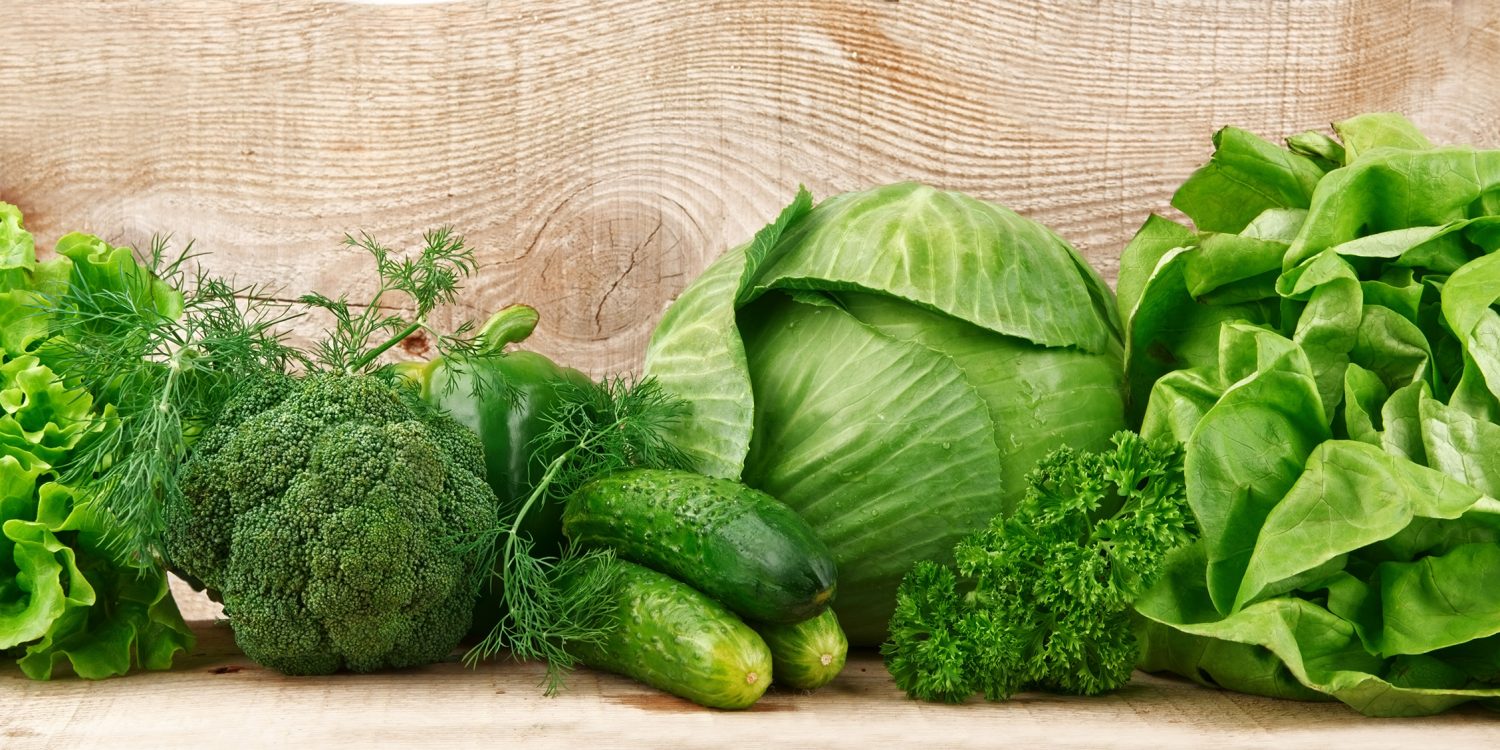
In 1922, University of California researchers Hebert Evans and Katherine Bishop discovered vitamin E in green leafy vegetables. Experiments in that year showed that rates reared exclusively on while milk grew normally but were...
Beta-carotene is a vitamin A precursor, which the body uses to create complete vitamin A. Carrots, sunflower sprouts, red peppers, mangos, cantaloupes, cabbage, broccoli sprouts, as well as green leafy vegetables such as spinach...
“All for one and one for all” might well be a theme for your body’s four Vitamin Musketeers – A, D, E, and K – because these nutrients are intertwined with our consumption of...

Once again, you may not want to believe it, but here is the ugly truth about vitamin C, one of the most popular vitamin supplements sold in the world today: Rather than bolstering your...

Vitamin B12 is a soil-based microorganism and the best-known and most complex of all the known B vitamin family. It is unique in that it contains a metal ion, cobalt. For this reason, cobalamin...

Folates are a group of compounds derived from folic acid. They are required for cell division and the formation of DNA (the body’s genetic blueprint) and RNA (which transports DNA data within the cell),...
Vitamin B1: Thiamine Casimir Funk discovered B1 in 1912. Also known as thiamine, it converts carbohydrates and fats into energy. It also help prevent the buildup of toxic byproducts of this metabolism, which could...
Even though you hear a lot of bad things about fat, it is a necessary nutrient when consumed in the right amounts. Fat helps supply energy for aerobic exercise in the form of fatty...
Just because something is listed as having 0 percent trans fat, doesn’t necessarily mean that it is completely trans-fat free. In terms of labeling, it’s important to note that trans fat may not be...
Your body is working all the time: pumping blood, processing food, even thinking. The body’s unit of measurement for the amount of work it’s doing is the calorie. When you sit and think, you...
Regular physical activity helps keep your muscles toned and strong, maintains bone strength and density, and improves and maintains your heart and lung functions. Exercise also builds stamina, improves flexibility, boosts your immune system,...
Most of the food you eat is digested and then converted into energy through the process of metabolism. This process, experts day, involves a complex network of hormones and enzymes that not only convert...
The term metabolism refers to the way your body processes and utilizes the food you eat, not to the amount of time required to do so. In other words, it’s not how fast you...
Fatty fish is the best dietary source of DHA and EPA. Ounce for ounce, you get the biggest omega-3 bang for your buck with salmon, herring, lake trout, anchovies and sardines. Other seafood is...
DHA isn’t just a fee-good nutrient for grown-ups. It is critical for brain and vision development in babies and children, too. Babies born to moms who consume ample DHA during their pregnancies and while...
One of the contributing factors in Alzheimer’s is the accumulation of nerve tangles, called amyloid plague, in the brain. Preliminary research shows that DHA might help prevent these tangles by up to 40%. DHA...
The more than one milling Americans who slip into mild memory loss and the half a million who develop more serious dementias each year would do well to consider cutting way back on artery-clogging...