Multiple sclerosis

The cause is unknown, but it may fit into the “autoimmune” group of diseases, where the body’s immune system attacks itself. The myelin sheath around the nerves and the brain is slowly destroyed, causing short circuits and malfunction of the nerves. Imagine damage to the plastic coating around an electrical wire. Multiple sclerosis patients tend to relapse with stepwise deteriorations.

Doctors can
• Usually nothing. Some doctors try steroids or immune suppressors but these usually do not have any benefit.

A positive mental approach is very important and may in itself reduce relapses.

• Plenty of rest and regular exercise are beneficial. Avoid getting over tired.
• Some people suggest bowel cleansing and a low stress diet to see if this reduces the relapses.
• Do hair mineral analysis for heavy metal toxicity, and check the teeth for excess mercury, infected root canals or jaw cavitations.
• If there is anything which precedes a relapse (stress, pollen, changes in temperature, dietary change), try to avoid these.

Nutritional supplements

• A good multimineral makes sure that brain tissues have all the nutrients and minerals required to function perfectly.
• Omega 3 fish oils, 1-2 grams daily. This is very important for good brain function. Because MS is a disease affecting the nerves, a high omega 3 intake can be very beneficial. It may also reduce the relapse rate and improve symptoms. In a small study of patients with multiple sclerosis, over 2 years the incidence of recurrences fell from 1.39 to 0.06 in those taking omega 3 fish oils, B vitamins and vitamin C.
• Calcium and magnesium, 800-1,000mg/day. Magnesium has a very calming effect, helps with sleep and enables people to cope better. It can also help with nerve function.
• Grape seed extract (proanthocyanidins) is a powerful antioxidant and anti-inflammatory agent and some people with multiple sclerosis find that taking high doses can help both with the severity and the frequency of the relapses.
• Vitamin C, 1-3 grams/day, is a powerful antioxidant which is essential in the repair of fibrous tissue and may help the repair of the myelin sheaths round the nerves.
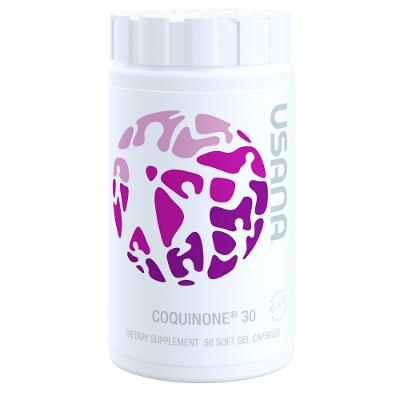
• Because the muscles can become weak, exacerbating tiredness, Coenzyme Q10 can be helpful to improve energy.
• Whenever there is an exacerbation of the multiple sclerosis, the Co Q10 and grape seed extract should be greatly increased, b up to 3 or 4 times the usual dose, and may well prevent the relapse.

People should routinely take nutritional supplements

In this polluted, highly stressed modern world, with the quality of most food and the difficulty in eating a perfect diet, people should take nutritional supplements on a routine basis.

There is much to gain – Premature ageing and chronic degenerative diseases are crippling and killing our generation and it is likely to be even worse for our children. If good supplementation can reduce this, then surely it should be carefully considered.

Which supplements are recommended?

• A good multivitamin / antioxidant preparation. Appropriate formulations should also be given to children over the age of one. In areas of the world where selenium levels are low, selenium should be added to the supplement.
• In addition unless a person has a substantial regular diet of fish, then he or she should take an omega 3 fish oil supplement – but make sure it is mercury free.
• Because magnesium is so important for many bodily functions, including absorption of calcium, for most people should take a good quality calcium and magnesium supplement as well.

What is there to lose? Supplements which simply provide the body with what should be in an optimal diet are as safe as eating that optimal diet. Higher doses of some nutrients may provide additional benefit, but even these have been shown to be safe. In the recent Oxford Heart Protection Study involving over 10,000 people taking vitamin E for 5 years, no adverse events were seen.

Our children: even if you yourself do not wish to take supplements, think about your children. Many diseases are becoming more common in the children of today (diabetes, obesity, cancer, asthma, allergies, eczema, depression, suicide) and poor nutrition is playing a significant part in this. Just look at what our children and youth eat and ask yourself if their growing cells are receiving proper nutrition. Providing quality nutritional supplements to our children will have a profound beneficial effect on their future health. What better legacy could we leave them?

Everyone should take supplements (as recommended in the Journal of the American Medical Association) because:

1. The nutritional value of today’s food has fallen so much.
2. High levels of processing and prolonged storage affect the quality of food.
3. Most people are unable to eat the wide range of foods in our fast-moving world.
4. Fast foods, with all their problems, continue to be the staple diet for many people and their children.
5. Our world is more polluted, toxic and chemically laden. We need additional good nutrients to enable our bodies to detoxify.

Supplements will not replace a good diet. We need to eat as well as possible, paying attention to the quality and source of the food (organic and fresh is best). There are many additional beneficial nutrients in our food which we have not yet recognized. Unfortunately, quality food containing everything we require is almost impossible to obtain. It is expensive and beyond the budget constraints for most people who would benefit from them. The utopian diet is not available to most people in this world. BUT nonetheless, we should try. It would be wonderful if we could get our nutritional requirements form our food.

Recommendations for a preventive Lifestyle

1. Avoid toxins and preservatives as much as possible
2. Regularly exercise – as appropriate throughout life
3. Learn relaxation – take time out for your body and mind
4. Eat as well as you can – especially fruit & vegetables
5. Take nutritional supplements to make sure that your body receives all the nutrients it needs – from childhood right through till old age:

• A good multivitamin/multimineral. Note, to get all the nutrients at optimal dose this may mean 4-8 tablets day
• Omega 3 fish oils (mercury free) – at least 1 gram/day
• Calcium and magnesium – 500-800mg daily
• Selenium 150ug daily – especially in countries where it is not in the soil
• In men as they age – saw palmetto and lycopene for prostate health
If we start this in our children and they carry it on though their lives, we genuinely believe that:

We could reverse today’s degenerative diseases epidemic (coronary disease, cancer, Alzheimer’s, arthritis) in one generation. What a legacy for us to leave our children!

Goji Berry

The power of the goji berry is no secret in China, where the berry has been used for its many healing properties for thousands of years. According to the Ben Cao Gang Mu, a well-known Chinese herbal compiled in the late sixteenth century, “Taking in Chinese goji berry regularly may regulate the flow of vital energy and strengthen the physique, which can lead to longevity”. Recently, the goji berry has been discovered in the West, and its amazing antioxidant and health benefits are now available to all.

Modern Uses of Goji Berry

Building on ancient knowledge of the goji berry, modern scientists have extensively researched the fruits’ nutritional profile and health-promoting properties. Studies provide evidence that the goji berry fights free radicals, supports a healthy immune system, improves vision and maintains healthy blood sugar levels.

The Chinese Ministry of Public Health approved sales of the goji berry as a botanical medicine in 1983, and the Chinese State Scientific and Technological commission has declared the goji berry a national treasure.

Nutritional Benefits of the Goji Berry

According to a study conducted by the Beijing National Research Institute in 1988, goji berries contain 21 trace minerals, 18 amino acids, over 500 times more vitamins C than oranges, more beta-carotene than carrots and more calcium than spinach. An eight-ounce portion of goji berries contains 4,000 percent of the RDI (Reference Daily Intake) for vitamin B1, 1,000 percent of the RDI for vitamin B3, 190 percent of the RDI for fiber and over 100 percent of the RDI for chromium.

In addition, goji berries are full of flavonoids, the water-soluble pigments that give blueberries, peppers and oranges their vivid colors. Flavonoids are also powerful antioxidants. In January 2009, a team of researchers in Phoenix, Arizona, reported that regular consumption of goji berries could increase antioxidant markers in humans. According to the results of their double-blind, placebo-controlled trial, subjects who consumed 120 milliliters of goji juice per day for 30 days experienced a significant increase in three antioxidant markers.

Goji Berries and Your Health

Healthy Immune System Support

Goji berries provide support for a healthy immune system. Thus far, most studies on the effects of goji berries on immunity have focused on mice. However, in 2003 researchers from the Huazhong University of Science and Technology in China reported that a goji compound could be used to induce an immune response in human cells. Specifically, the researchers found that goji stimulated interleukin 2 and tumor growth necrosis factor – two compounds essential for the immune response to cancer.

Improved Vision

Both ancient tradition and modern research suggest that goji berries can improve vision. Lutein and zeaxanthin, two pigments contained in goji berries, protect the retinal by neutralizing the free adicals from sunlight. Chinese researchers tested the effects of goji berries on the eyesight of 27 subjects and reported positive results: dark adaptation dramatically improved; physiologic scotomas (blind spots) decreased; and serum vitamin A and carotene content – indicators of eyesight acuity – increased.

Healthy Blood Sugar and Cholesterol Levels

The goji berry may support blood sugar and cholesterol levels, helping to prevent diabetes, pre-idabetic conditions and cardiovascular disease.

Researchers conducted a study of the glucose-stabilizing properties of the goji berry. According to their report, “It was found that the three Lycium barbarum [goji bery] fruit extracts / fractions could significantly reduce blood glucose levels and serum total cholesterol (TC) and triglyceride (TG) concentrations and at the same time markedly increase high density lipoprotein cholesterol (HDL-c) levels after ten days treatment in tested rabbits, indicating that there were substantial hypoglycemic and hypolipidemic effects. In other words, their research revealed that goji berries decreased the amount of blood sugar and total cholesterol in the blood while increasing the amount of “good” HDL cholesterol.

USANA Nutritionals – High-quality USANA vitamins, minerals, and antioxidants your body needs for good health.

What Resveratrol Can Do for You

Scientists around the world have discovered many ways that resveratrol may benefit heart health. In 1995, Canadian researchers reported that resveratrol could protect against heart disease by reducing platelet aggregation, an early step in the development of blood clots that can lead to heart attacks or strokes. In 2002, German researchers found that resveratrol stimulates production of nitrous oxide, which helps relax arteries. In 2003, Italian researchers provided evidence that resveratrol could reduce the risk of atherosclerosis by keeping inflammatory cells from sticking to artery walls. Later that year, American researchers reported that resveratrol could slow the progression of atherosclerosis by inhibiting the spread of vascular smooth muscle cells.

Resveratrol may also pay a role in cancer prevention, by inhibiting certain enzymes that activate some carcinogens and by promoting the excretion of other carcinogens. When cancer has already taken hold, resveratrol can arrest the cell cycle of cancer cells (allowing for DNA repair) and induce apoptosis (programmed cell death). Resveratrol can also inhibit cancer cell proliferation and angiogenesis, the process through which tumors support their growth by creating new blood vessels.

Resveratrol and Bioavailability

In vitro studies have shown resveratrol to have many potent actions, and resveratrol is well absorbed in the gut; however, some researchers question whether the effects shown in the laboratory can take place in the body. In the May 2005 issue of the journal Molecular Nutrition & Food Research, scientists from the German Research Center of Food Chemistry wrote, “The oral bioavailability of resveratrol is almost zero due to rapid and extensive metabolism”. In other words, very little resveratrol makes it into the blood.

The German researchers were not the first to discover this, however. In 2004, researchers at the Medical University of South Carolina acknowledged the low bioavailability of oral resveratrol, but suggested that resveratrol accumulates and provides benefits along the digestive tract. And in the November 2000 issue of the journal Xenobiotica, Italian researchers provided evidence that flavonoids and other components of grapes and wine improve the bioavailability of resveratrol.

Some researchers have taken a different approach to the problem of oral resveratrol bioavailability by skipping the stomach altogether. Using a delivery system known as PEGylated liposomes, supplements can deliver resveratrol through the mucous membranes in the mouth and directly to the blood. However, even resveratrol delivered directly to the blood is rapidly metabolized by the liver and removed from the blood in as little as 30 minutes.

However, low bioavailability does not mean resveratrol is useless; some researchers feel that it means investigators should shift their focus. For example, the previously mentioned German researchers suggest that future research focus on the effects of resveratrol metabolites.

The Bottom Line

Grape seed extract contains powerful antioxidants and can reduce oxidation, strengthen and repair connective tissue and promote enzyme activity. It can also help moderate allergic and inflammatory responses by reducing histamine production. These actions help fight disease and boost your immune system. If you want to improve your chances against disease, enhance your health and fight the effects of aging, grape seed extract can help.

Grape Seed Extract and Resveratrol Fast Facts

Uses and Benefits: Grape seed extract is an antioxidant, an anti-inflammatory, an antihistamine and an antiallergenic. It also improves circulation, promotes healing, restores collagen and strengthens weak blood vessels.

Sources: Grape seed extract is available at most health food stores. There are many different brands with different levels of active constituents, so ask your local supplement provider for recommendations.

Some of the beneficial nutrients in grape seed extract are also available in other foods. Resveratrol is found in grapes (and grape products such as red wine and purple grape juice), peanuts and some berries.

OPCs are found in many types of foods – usually in the peels, skins or seeds – but usually only in extremely small amounts. Some of the best sources are seasonal fruits such as grapes, blueberries, cherries and plums. Grape seeds contain the highest known concentration (95 percent) of OPCs, and pine bark the second highest (80 to 85 percent). Food processing and storage time reduce OPC bioavailability.

Other Names: Another name for OPC complex is Pycnogenol. This was the name originally given to the complex by Dr. Jacques Masquelier, the first to scientifically discover OPCs. Dr. Masquelier patented the process of extracting OPCs from the bark of maritime pine trees, and Pycnogenol is now a trademarked name for OPC products extracted from pine bark.

Grape Seed Extract and Resveratrol

You have probably heard about the health benefits of red wine and the studies that link red wine consumption to long life. What you may not know is that grape seed extract provides many of the same benefits. Grape seed extract has amazing antioxidant properties: it protects cells against damage caused by pesticides, food additives and pollution and may be your best defense against the effects of aging.

Recent studies have shown that air pollution, cigarette smoke, pesticides, contaminated water and even the food we eat can produce free radicals, unstable oxygen molecules that damage other cells. Excess free radicals cause oxidation, or oxidative damage, which can impair the proper functioning of the immune system, leading to infections, heart disease and other degenerative diseases. Although not a cure, antioxidants have even been shown to reduce the incidence of cancer.

Grape seed extract fights free radicals and the damage they cause. It can also protect DNA from oxidative damage and cell mutations that can lead to cancer. Until the discovery of grape seed extract, vitamin C, vitamin E and beta-carotene were considered the best sources of antioxidants. However, these sources are not as powerful as grape seed extract and they are used or excreted shortly after entering the body.

Grape seed extract is more than a powerful antioxidant – it is an antiallergenic, an antihistamine and an anti-inflammatory. It also strengthens blood vessels, improves skin and supports circulation.

Grape seed extract could also play a significant role in weight management. In 2004, researchers from Maastricht University in the Netherlands studied the effects of grape seed extract on energy intake and satiety. The researchers gave 51 people grape seed twice a day (30 to 60 minutes before lunch and dinner) for three days. They found that the average calorie intake of those with normal or above average weight was reduced by four percent, with no noted side effects or changes in satiety.

The Power of OPCs

Grape seed extract gets its amazing antioxidant power from its high concentration of a group of complex substances known as oligometric proanthocyanidins (OPCs) or procyanidins. OPCs are found in grape seeds and grape skin; blue, red and purple fruits such as plums, blue berries and cherries; and the bark of the maritime pine tree.

OPCs fight free radicals and oxidative stress in many ways. They also conserve and regenerate vitamins C and E: OPCs work synergistically with vitamin C to regenerate vitamin E (Vitamin E is a powerful free radical scavenger, but it is quickly used up), and these three nutrients then work together to fight off free radicals.

CoQ10 Fighting Parkinson’s Disease

 CoQ10 shows promise for patients with Parkinson’s disease, a progressive neurodegenerative disease that affects the part of the brain responsible for muscle movement and causes tremors in the arms, the legs and the jaw. Although there is no cure for Parkinson’s disease, the symptoms are treatable. People with Parkinson’s disease have low CoQ10 levels, suggesting a potential therapeutic application for CoQ10 supplements.

In the October 2002 issue of the Archives of Neurology, researchers from the University of California at San Diego published a study on the safety and effectiveness of CoQ10 for patients with Parkinson’s disease. The researchers randomly assigned patients in the early stages of Parkinson’s disease to one of four groups. Every day, members of each group received a dose of CoQ10 (1,200 milligrams, 600 milligrams or 300 milligrams) or a placebo. After 16 months, the ability to perform daily activities (such as walking, bathing and dressing) had declined significantly less in patients receiving CoQ10 that it had in patients receiving a placebo. The researchers reported that the highest doses of CoQ10 were associated with the greatest benefits.

An Antiaging Antioxidant

As an antioxidant, CoQ10 may protect people from free radicals produced by the body and by environmental toxin. Free radicals have been linked to age-related chronic conditions such as cancer, cardiovascular disease, Alzheimer’s disease and diabetes. These conditions are also associated with decreased levels of CoQ10, suggesting that CoQ10 supplements may provide anti-aging benefits.

A Natural Boost

Because of its importance to cellular energy production, CoQ10 has been reputed to increase energy and endurance. In 2002, Japanese researchers performed a double-blind, placebo-controlled study on the possible endurance-enhancing effects of a supplement containing CoQ10, alpha-lipoic acid, vitamin E and L-carnitine. The test group consisted of 24 middle-aged, sedentary men: half received the CoQ10 supplement for two weeks, and half received a placebo. All performed a cycling endurance test before and after treatment. After two weeks, the men who received the CoQ10 supplement showed significant improvement in their performance on the endurance test. The researchers interpreted this as evidence that CoQ10 supplements increase endurance and stamina.

Is Coenzyme Q10 Safe?

The October 2007 issue of the Journal of Toxicological Sciences included the results of a study on the safety of CoQ10. Researchers fed rats an extremely large daily dose (300,600 or 1,200 milligrams) of CoQ10 for 13 weeks. By the end of the trial, the researchers had observed no negative side effects.

The Need for Supplementation

Most of us produce sufficient coenzyme Q10 until we are about 30 years old; after that, production diminishes. It has been shown that as many as 75 percent of people over the age of 50 are deficient in coenzyme Q10.

Without sufficient CoQ10, the heart cannot circulate blood effectively. The people with the most severe CoQ10 deficiencies are those with heart disease. Doctors don’t yet know whether CoQ10 deficiency is a cause of heart disease, and studies show that as supplementation restores optimal levels of CoQ10, heart function improves, energy production is enhanced, the heart ahs better ability to contract and antioxidant protection increases. Coenzyme Q10 also helps prevent the buildup of LDL (“bad”) cholesterol.

The Bottom Line

Most young people can produce all the coenzyme Q10 they need; for them, supplements are probably not worth the expense. However, as we age, CoQ10 supplements can help strengthen our hearts and maintain our health. Today, more than 12 million Japanese people take CoQ10 supplements under the direction of their physicians. As Americans continue to learn about the value of CoQ10, the use of CoQ10 will only increase.

Coenzyme Q10 Fast Facts

Uses and Benefits: CoQ10 protects and strengthens the heart, helps treat high blood pressure and other cardiovascular diseases, strengthens muscles, stimulates the immune system and fights age-related illness.

Sources: CoQ10 supplements are available as capsules, liquids, tablets, and sprays. Gel capsules are readily absorbed and easy to swallow.

Special Considerations: CoQ10 is best absorbed when taken with fatty foods such as fish or peanut butter. For general health, recommended dose is 30 to 60 milligrams per day. Higher doses may be recommended for some conditions – consult your physician first. CoQ10 is generally considered safe and free of side effects. In rare cases, stomach upset, diarrhea and nausea have been reported.